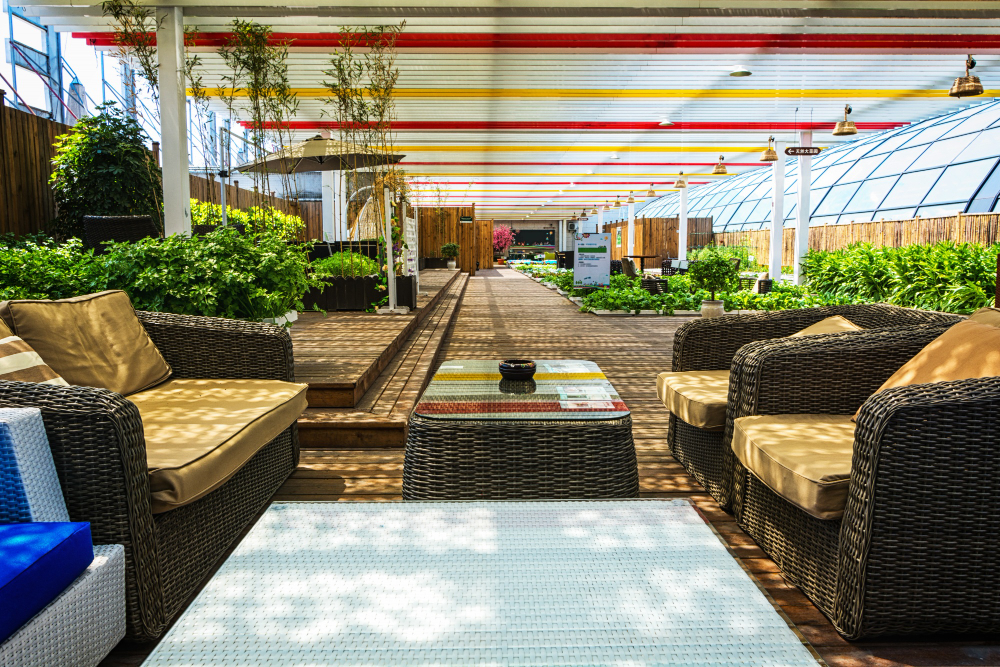
Modern workplaces are no longer limited to basic workstations and enclosed rooms. Today, commercial spaces are designed to inspire people, improve productivity, and reflect a brand’s identity. This is where function meets aesthetics in commercial interior design.
A well-designed space balances how it looks and how it works. It should feel welcoming, support daily tasks, and create a strong impression on clients and employees. This approach is a key part of sustainable interior and architecture design, where spaces are planned with both usability and long-term environmental impact in mind.
Let’s explore how commercial interior design brings these important elements together.
Understanding Commercial Interior Design
Commercial interior design focuses on designing spaces like offices, showrooms, retail stores, cafés, clinics, and other business environments. The main goal is to make these spaces practical, efficient, and visually appealing.
Unlike residential design, commercial interiors must handle more people, more activity, and heavier usage. That means every detail—layout, lighting, furniture, materials—must be planned carefully.
Good design is not just decoration. It is about solving problems like workflow, space usage, comfort, and brand presentation.
This is where green architects for commercial and hospitality spaces play an important role, ensuring that business environments are not only functional but also environmentally responsible and future-ready.
Why Function Matters in Design
Function is the foundation of any commercial space. If a space does not work well, it affects productivity and experience.
Here are a few key functional aspects:
1. Smart Space Planning – A well-planned layout ensures smooth movement and better use of space. Employees should not feel crowded or disconnected.
2. Workflow Efficiency – Departments and workstations must be arranged in a way that supports daily tasks. This reduces confusion and saves time.
3. Comfort and Ergonomics – Furniture and seating should support long working hours without discomfort. Proper ergonomics improves health and productivity.
4. Lighting and Ventilation – Natural light and proper airflow make a big difference in energy levels and focus. When function is strong, the space becomes easy to use and more productive.
Why Aesthetics Matter in Commercial Spaces
While function handles usability, aesthetics take care of how the space feels and looks.
A visually appealing space can:
- Create a strong first impression
- Reflect brand identity
- Boost employee motivation
- Improve customer experience
Design elements like colour themes, textures, lighting styles, wall finishes, and décor play a major role here.
For example, a creative agency may use bold colours and open layouts, while a financial firm may prefer minimal and calm interiors. The design speaks for the brand without words.
The Perfect Balance: Function and Aesthetics
The real success of commercial interior design lies in balancing both sides. A beautiful space that doesn’t function well will fail. A highly functional space that looks dull may not inspire people.
A balanced design ensures:
- Smooth workflow and attractive environment
- Practical furniture and modern styling
- Efficient layout and strong branding elements
This balance creates a space where people actually enjoy working and visiting.
Key Elements of Effective Commercial Interiors
Here are some important design elements that bring function and aesthetics together:
- Layout Design – The layout decides how space is used. Open layouts encourage collaboration, while private zones support focused work.
- Lighting Design – Lighting is not just visibility—it sets the mood. A mix of natural light, task lighting, and ambient lighting creates the right atmosphere.
- Colour Psychology – Colours affect emotions. Soft tones create calmness, while bright tones bring energy and creativity.
- Material Selection – Durable materials ensure long-term use, while stylish finishes improve visual appeal.
- Branding Elements – Logos, brand colours, and visual themes help reinforce identity across the space.
Role of Professional Design Approach
A well-planned commercial space is not created randomly. It requires understanding business needs, user behaviour, and space limitations.
Design professionals working in sustainable interior and architecture design focus on:
- Client requirements
- Industry type
- Space optimisation
- Budget planning
- Long-term usability
This structured approach ensures the final space is both practical and visually strong.
How Commercial Interiors Impact Business
Good interior design is not just about looks—it directly affects business performance.
- Employees feel more motivated and work better
- Clients get a positive impression of the brand
- Better space usage reduces operational issues
- A strong design identity builds trust
In simple words, the workspace becomes a silent part of business growth.
Final Thoughts
Commercial interior design is about creating spaces that are both useful and inspiring. When function meets aesthetics, the result is a balanced environment where people can work better and feel better.
With the approach of green architects for commercial and hospitality spaces, businesses can create interiors that are not only visually strong but also sustainable and future-ready.
A thoughtfully designed space is not an expense—it is an investment in productivity, brand image, and long-term success.
Whether it is an office, showroom, or retail space, the right design can completely change how a business is experienced.