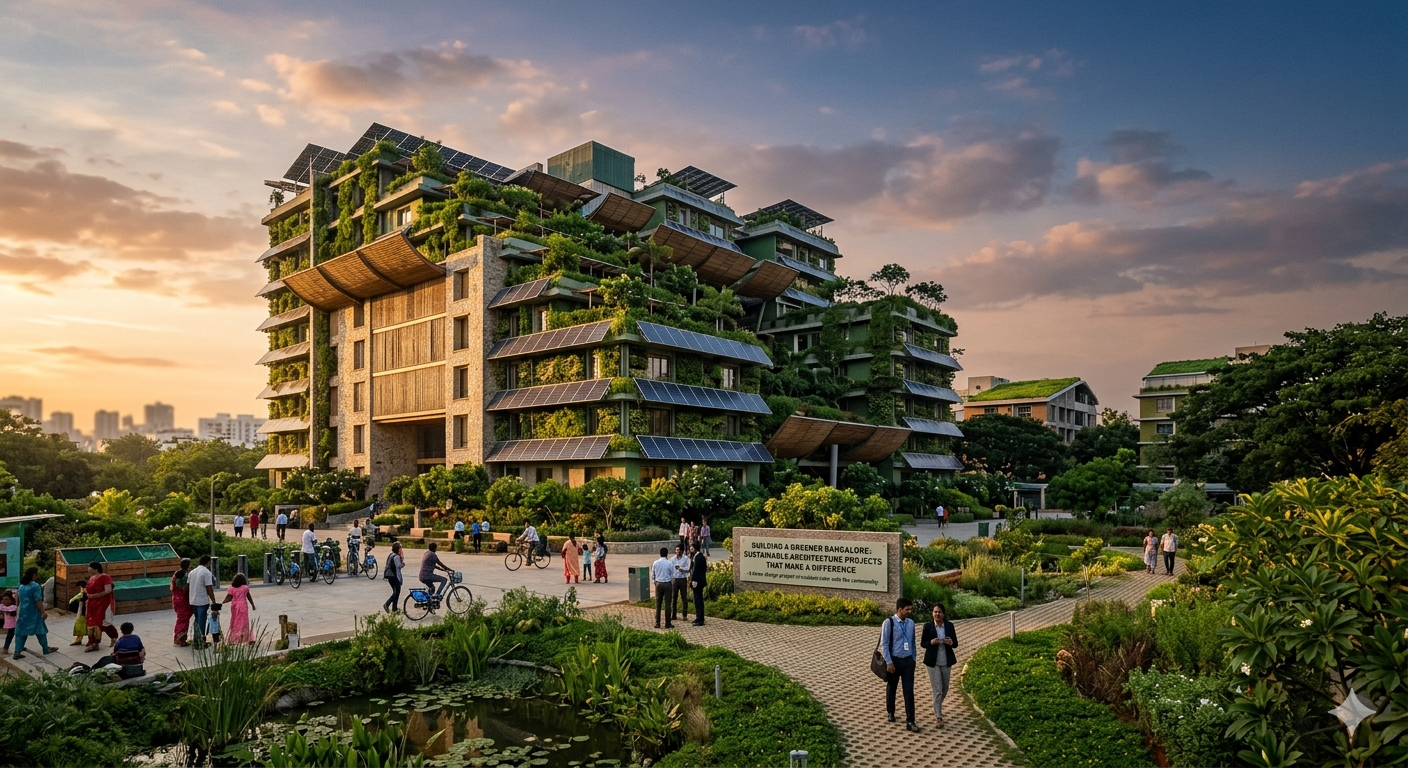
With rapid urban development underway, Bangalore is seeing a surge of new offices, schools, housing complexes, and community structures. With this rapid expansion comes a responsibility: to build structures that are not only modern and functional but also environmentally responsible. Sustainable architecture projects in Bangalore are leading the way, showing how eco-conscious design can improve energy efficiency, reduce waste, and create healthier spaces for communities.
Why Sustainability in Architecture Matters
Every building impacts the environment. From energy use to water consumption, materials, and waste, construction has a significant footprint. Sustainable architecture addresses these challenges by focusing on:
- Using energy-efficient designs and systems
- Conserving water and other resources
- Creating healthier, more comfortable spaces for occupants
- Reducing long-term operating and maintenance costs
These principles, championed by eco-friendly architects, ensure that new buildings contribute positively to both the environment and the people who use them.
Designing Buildings That Save Energy
Energy consumption is one of the largest environmental challenges in urban areas. Sustainable architecture projects often integrate solutions like:
- Solar panels to harness renewable energy
- LED lighting and motion sensors to reduce electricity use
- Smart HVAC systems for efficient cooling and heating
By planning energy use carefully, buildings can operate sustainably while lowering costs for the occupants.
Water Conservation Is Key
Bangalore has faced water shortages in recent years, making water-efficient design essential. Many sustainable architecture projects now include:
- Rainwater harvesting systems
- Greywater recycling for landscaping or non-potable use
- Water-efficient faucets and toilets
Simple design strategies like these ensure that buildings use less water without compromising comfort or functionality.
Choosing the Right Materials
The materials used in construction can have a lasting environmental impact. Sustainable architecture projects in Bangalore often prioritize:
- Recycled or reclaimed wood, metals, and plastics
- Low-VOC paints and non-toxic finishes
- Locally sourced products to reduce transportation emissions
- Durable materials that last longer and reduce replacement waste
By selecting environmentally friendly materials, buildings reduce their carbon footprint and create safer, healthier spaces for people.
Harnessing Natural Light and Ventilation
One of the easiest ways to make buildings more sustainable is by maximizing natural light and airflow. Sustainable projects often feature:
- Large windows or glass walls for daylighting
- Open floor plans to encourage cross-ventilation
- Shading devices to reduce heat during the hottest parts of the day
These techniques cut down energy use while creating bright, comfortable interiors that improve the well-being of everyone inside.
Green Spaces and Landscaping
A building isn’t just walls and ceilings—it’s also the environment around it. Green spaces in sustainable projects provide multiple benefits:
- Rooftop gardens, vertical gardens, and indoor plants improve air quality
- Native or drought-resistant landscaping reduces water needs
- Outdoor communal areas encourage social interaction and relaxation
Adding greenery not only enhances aesthetics but also contributes to the overall sustainability of the project.
Examples of Sustainable Projects in Bangalore
Across the city, sustainable architecture projects are making a visible difference:
- Schools and educational institutions use bamboo panels, solar power, and rainwater harvesting to create eco-friendly learning spaces.
- Corporate offices and tech campuses integrate energy-efficient systems, green roofs, and smart layouts to improve productivity and sustainability.
- Residential complexes and community centers incorporate recycled materials, efficient layouts, and green spaces to benefit both residents and the environment.
These examples show that sustainable architecture can be practical, functional, and visually appealing.
The Benefits of Going Green
Investing in sustainability has advantages beyond environmental impact:
- Lower Operational Costs: Energy-efficient designs reduce utility bills and maintenance expenses.
- Healthier Environments: Natural lighting, ventilation, and non-toxic materials promote well-being.
- Community Impact: Green buildings improve neighborhood air quality and provide spaces for recreation.
- Positive Reputation: Companies and organizations that prioritize sustainability are seen as responsible and forward-thinking.
Sustainable architecture projects in Bangalore demonstrate that growth and responsibility can coexist.
Simple Steps to Make Your Project Sustainable
Even if you’re not building a massive campus, sustainability can be integrated into smaller projects:
- Consult eco friendly architects for design solutions
- Use energy-efficient lighting and appliances
- Incorporate water-saving fixtures and rainwater harvesting
- Select recycled, low-impact, or locally sourced materials
- Add greenery to both indoor and outdoor spaces
- Optimize layouts for natural light and airflow
Small steps can collectively have a big environmental impact.
Final Thoughts
Sustainable architecture projects in Bangalore are reshaping the city’s skyline, showing that urban growth and environmental responsibility can go hand in hand. By combining energy-efficient systems, water conservation, eco-friendly materials, and green spaces, these projects create healthier, more functional, and visually appealing buildings.
With guidance from eco-friendly architects and careful planning, every new construction can contribute to a greener, more sustainable future. Sustainable design is not just a trend—it’s a long-term investment in the well-being of communities, the environment, and the city as a whole.