
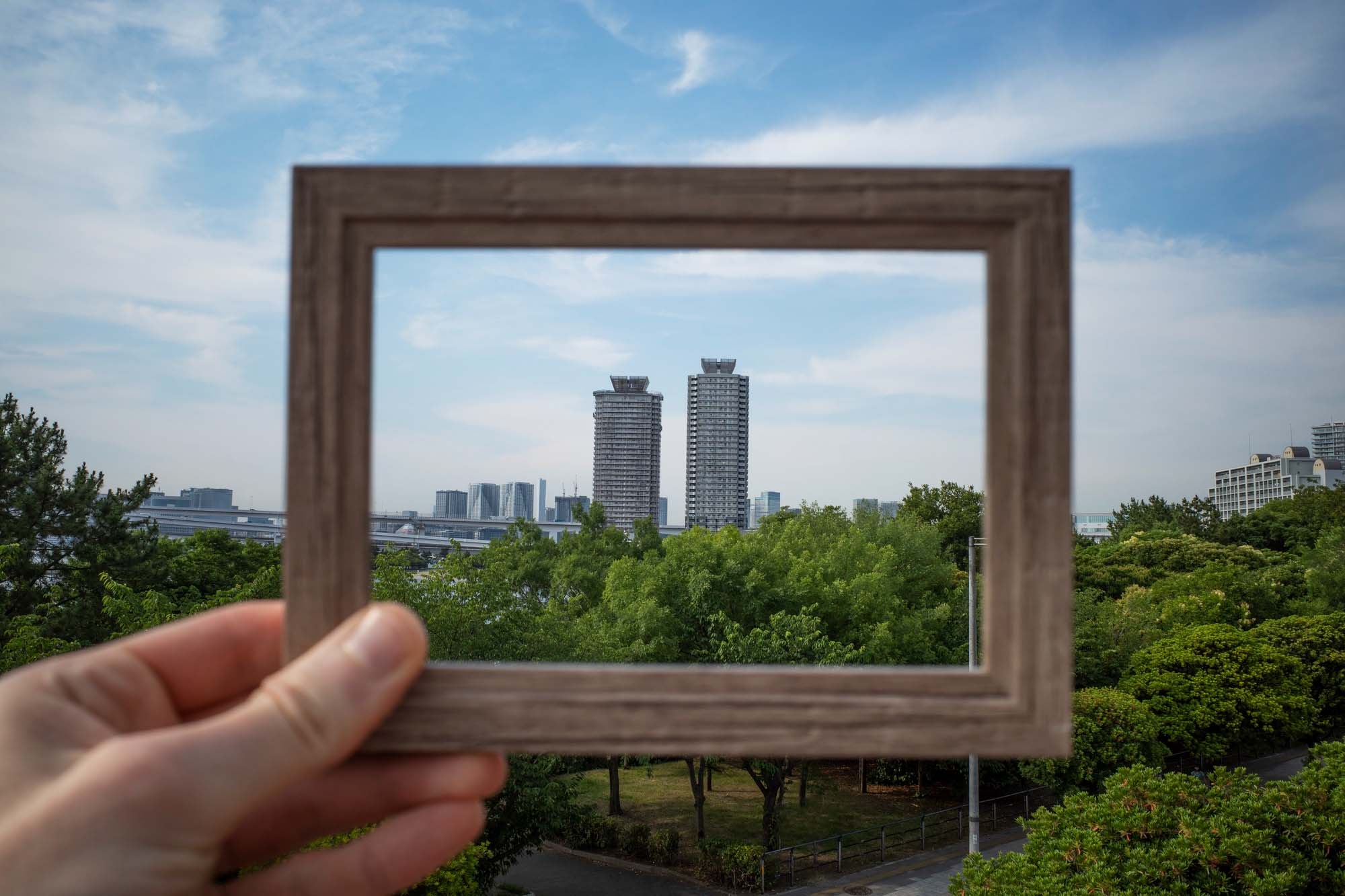
Sustainability does not start and end with new construction. In fact, upgrading existing buildings is one of the most effective ways to reduce environmental impact in the built environment. Improving and modernizing structures helps preserve embodied energy, minimize demolition waste, and make better use of existing resources.
Instead of rebuilding from the ground up, well-planned upgrades can transform older buildings into efficient, responsible, and future-ready spaces. This approach not only supports environmental goals but also adds long-term functional and economic value.
Today, many leading eco-friendly architecture projects focus on renovation and adaptive reuse because they offer measurable environmental and economic benefits. Thoughtful retrofitting can significantly lower carbon emissions while enhancing functionality and occupant comfort.
Step 1: Conduct a Performance Assessment
The first step toward sustainability is understanding how the building currently performs. A comprehensive energy and environmental audit identifies inefficiencies and establishes a baseline for improvement. Key areas of assessment include:
- Lighting systems and electricity usage
- HVAC (heating, ventilation, and air conditioning) performance
- Insulation levels
- Air leakage and thermal bridging
- Water consumption patterns
This diagnostic phase ensures upgrades are strategic rather than cosmetic. In sustainable interior and architecture design, data-driven decisions are essential to create measurable impact rather than superficial “green” changes.
Step 2: Improve Energy Efficiency
Energy efficiency upgrades are often the most cost-effective sustainability improvements. Reducing operational energy consumption lowers both carbon emissions and long-term expenses. Effective measures include:
- Replacing conventional lighting with LED systems
- Installing energy-efficient HVAC units
- Adding smart thermostats and occupancy sensors
- Upgrading insulation
These changes significantly reduce energy demand. Many environmentally friendly architecture strategies begin with efficiency because it provides immediate and long-lasting results.
Step 3: Enhance Natural Light and Ventilation
Architectural modifications can reduce dependence on artificial lighting and mechanical cooling. Reconfiguring layouts to improve daylight penetration and airflow enhances spatial quality and comfort. Strategies include:
- Enlarging window openings
- Removing unnecessary partitions
- Designing for cross-ventilation
Such interventions are central to eco-friendly architecture projects that prioritize passive design techniques before relying on technology.
Step 4: Upgrade Materials and Finishes
Material selection plays a critical role in sustainability. Replacing high-impact materials with responsible alternatives improves both environmental performance and indoor air quality. Consider:
- Low-VOC paints
- Sustainable flooring materials
- Recycled or reclaimed finishes
- Non-toxic adhesives
These choices are fundamental to sustainable interior and architecture design, ensuring that environmental responsibility extends beyond structural systems to every layer of the building.
Step 5: Integrate Renewable Energy
Incorporating renewable energy systems such as solar panels or solar water heating can significantly reduce a building’s carbon footprint. While the initial investment may be substantial, long-term savings and reduced environmental impact justify the transition. Renewable integration is often the defining feature of advanced eco-friendly architecture projects.
Step 6: Improve Water Efficiency
Water conservation is another essential component of environmentally friendly architecture. Installing low-flow fixtures, rainwater harvesting systems, and greywater reuse systems reduces both water waste and utility costs. Efficient landscaping can further minimize water demand.
Step 7: Prioritize Human Comfort and Well-Being
True sustainability goes beyond energy metrics. Enhancing thermal comfort, acoustic performance, and indoor air quality supports occupant health and productivity. Introducing greenery, maximizing daylight, and ensuring proper ventilation are essential aspects of sustainable interior and architecture design.
A Long-Term Perspective
Making an existing building more sustainable requires integrated planning and architectural expertise. Strategic retrofitting reduces waste, lowers carbon emissions, and extends the building’s lifespan. By embracing environmentally friendly architecture principles and investing in eco-friendly architecture projects, property owners can transform outdated structures into resilient, efficient, and responsible spaces.
Ultimately, the most sustainable building is often the one that already exists — thoughtfully upgraded for a greener future.
Conclusion
At Kham Design, we believe true sustainability lies in transforming what already exists. Through environmentally friendly architecture and thoughtfully planned eco-friendly architecture projects, existing buildings can be reimagined as efficient, healthy, and future-ready spaces.
By upgrading and adapting structures instead of replacing them, we reduce environmental impact while preserving value and character. After all, the most sustainable building is often the one that already stands — ready to be renewed with purpose and responsibility.


